Sensory Room Equipment Checklist for Schools and Clinics

Sensory Room Equipment for Schools and Clinics

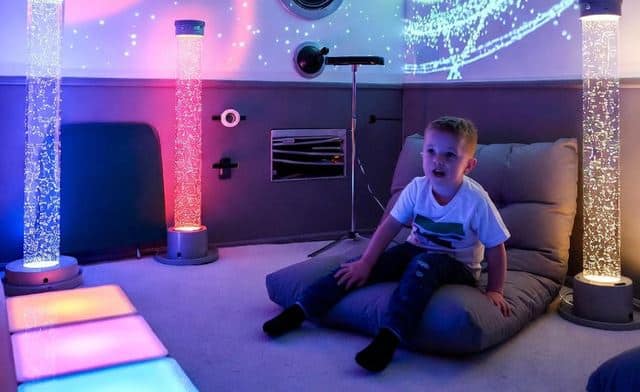
Creating a sensory room is one of the most impactful ways schools, therapy clinics, and care environments can support individuals with autism, sensory processing challenges, or cognitive conditions. Knowing what equipment you actually need – and what’s worth investing in – is often the biggest challenge.

This sensory room equipment checklist breaks down the essential components, helping educators, therapists, and decision-makers plan a space that delivers real outcomes.

Did you know? At SensoryOne, we help schools, clinics, and care environments design fully customized sensory spaces—from equipment selection to layout planning and installation. If you’re building or upgrading a sensory room, having a clear equipment plan is the first step toward creating a space that truly works.

What Is a Sensory Room Designed to Do?

A well-designed sensory room supports a range of goals, including:

  • Calming overstimulation
  • Improving focus and engagement
  • Supporting therapy outcomes
  • Encouraging sensory exploration

According to Autism Speaks, sensory environments can play a key role in helping individuals regulate responses to sensory input and improve overall functioning.

Core Sensory Room Equipment Checklist

These are the foundational elements most sensory rooms should include:

1. Interactive Visual Systems (High Impact)

  • Interactive projection systems
  • Wall or floor-based motion visuals
  • Cause-and-effect sensory displays

These systems are often the centerpiece of modern sensory rooms. They support:

  • Movement-based engagement
  • Cognitive interaction
  • Group participation

Interactive projection systems for sensory rooms offer near infinite versatility, with custom programming options often available.

2. Sensory Lighting

Lighting is critical for:

  • Creating calming environments
  • Visual stimulation
  • Mood regulation

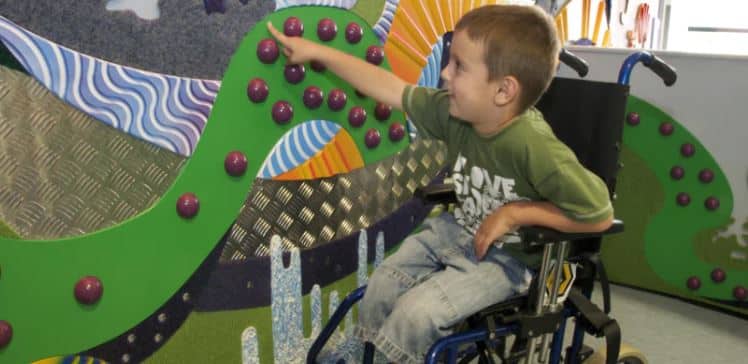
3. Tactile & Wall-Mounted Panels

These are ideal for:

  • Fine motor development
  • Hands-on exploration
  • Independent play

4. Comfortable & Supportive Seating

  • Crash mats
  • Bean bags
  • Rocking chairs or therapy seating

Seating helps create:

  • Safe calming zones
  • Flexible engagement areas
  • Comfort for extended sessions

5. Audio & Sound Elements

  • Soothing music systems
  • Nature sound playback
  • Interactive audio tools

Sound adds another layer of:

  • Relaxation
  • Sensory immersion
  • Emotional regulation

6. Portable Sensory Equipment

These are especially useful for:

  • Multi-room environments
  • Budget-conscious setups
  • Flexible programming

Mobile sensory cart solutions can help turn any room into a sensory space within schools and clinics.

Equipment by Purpose: Calming vs Stimulation

Not all sensory rooms serve the same function. Most environments need a balance of both:

Calming Equipment

  • Soft lighting
  • Gentle projections
  • Weighted items
  • Quiet seating areas

Stimulating Equipment

  • Interactive projections
  • Bright visual panels
  • Movement-based tools

The key is designing zones that allow users to transition between states.

Key Differences: Schools vs Clinics

While many equipment types overlap, the use case differs significantly:

Schools

  • Focus on group use
  • Multi-student engagement
  • Behavioral regulation and breaks

Clinics (OT, ABA, Therapy)

  • One-on-one sessions
  • Targeted therapy outcomes
  • Structured interventions

This affects:

  • Equipment selection
  • Layout design
  • Technology integration

Adapting This Checklist for Long-Term Care and Senior Living

Sensory environments are increasingly used in long-term care settings, particularly for individuals living with dementia or cognitive decline.

While the core equipment remains similar, the focus shifts toward:

  • Slower, calming visual experiences
  • Familiar music and soundscapes
  • Comfortable, supportive seating
  • Reduced overstimulation

These adjustments help:

  • Reduce agitation
  • Improve mood
  • Support memory engagement

Planning Tips Before You Buy

Before investing in sensory equipment, consider:

1. Define Your Goals

Are you trying to:

  • Calm behavior?
  • Improve focus?
  • Support therapy?

Your goal determines your equipment mix.

2. Consider the Space

  • Room size
  • Lighting control
  • Power access
  • Wall vs floor use

3. Plan for Scalability

Many organizations start small and expand over time. Choosing modular or flexible equipment helps maximize long-term value.

4. Align with Funding Opportunities

Many schools and organizations fund sensory rooms through grants or special funding programs. Having a clear equipment plan strengthens applications and increases approval chances.

Frequently Asked Questions

What is the most important piece of sensory room equipment?

Interactive projection systems are often considered the most impactful due to their versatility and engagement.

How much equipment do you need to start?

Even a small setup with 3–5 key elements can create an effective sensory space.

Can sensory rooms be mobile?

Yes. Portable sensory carts and modular systems allow flexibility for multi-use environments.

Designing a Sensory Space That Truly Works

A successful sensory room isn’t about filling a space with equipment—it’s about creating an environment that supports real outcomes.

With the right combination of interactive systems, calming elements, and purposeful design, schools, clinics, and care environments can build spaces that improve focus, reduce stress, and enhance overall well-being.

What Is Sensory Integration? How It Works and Why It Matters

What is sensory integration?

Sensory integration is a fundamental process that affects how we experience and interact with the world around us. At its core, sensory integration refers to how the brain receives, organizes, and responds to information from the senses. While this process happens automatically for most people, it plays a critical role in everything from movement and focus to emotional regulation and learning.

In recent years, interest in sensory integration has grown significantly—especially among parents, educators, and healthcare professionals looking to better support children and individuals with diverse sensory needs. Understanding how sensory integration works can provide valuable insight into behavior, development, and overall well-being.

Did you know? At SensoryOne, we design customized sensory spaces and environments that support sensory integration through interactive tools, calming features, and engaging equipment tailored for schools, clinics, and care settings. Let’s discuss how sensory environments can enhance outcomes.

What Is Sensory Integration?

Sensory integration is the brain’s ability to take in sensory input—such as sight, sound, touch, movement, and body awareness—and organize it into meaningful information. This allows individuals to respond appropriately to their environment.

For example, when a child plays on a playground, their brain is processing:

  • The feel of the ground beneath their feet (touch)
  • The movement of their body as they swing (vestibular system)
  • Their awareness of body position (proprioception)
  • Visual and auditory cues from the environment

All of this information is integrated in real time, allowing for coordinated movement, balance, and interaction.

According to the American Occupational Therapy Association, sensory integration is essential for participating in everyday activities, including learning, social interaction, and self-care.

How Sensory Integration Works in the Brain

Sensory integration is closely tied to the nervous system, particularly the central nervous system, which includes the brain and spinal cord. When sensory input is received, it travels through neural pathways where it is processed and interpreted.

https://images.openai.com/static-rsc-3/yrQxqiWchISRSrL4NWvgNM0Z7AvmvFFlM0tmhVzDILUnr0N4UPi6m_GwgYHRft_Ga2oKH2IiqXgNTRjNXk2u05ADJB58l33bI6SmmHkLz0k?purpose=fullsize&v=1
https://www.physio-pedia.com/images/thumb/6/66/Spinothalmaic_tract.jpg/300px-Spinothalmaic_tract.jpg
https://images.openai.com/static-rsc-3/u7KRmAZ0PuDOx5yi6bIhpCfRasDGUMXlr9l5ViYf_WmetLKBOMsImFQzieqvZcUM2Z4Zj46q08Y_EtLmajvn3MP18LPwL7Hpb82XoMERheo?purpose=fullsize&v=1

The brain must:

  • Receive input from sensory receptors
  • Filter and prioritize relevant information
  • Organize signals for interpretation
  • Generate a response (movement, emotion, attention)

This process happens in milliseconds, allowing individuals to react quickly and appropriately.

Key systems involved include:

  • Vestibular system (balance and movement)
  • Proprioceptive system (body awareness)
  • Tactile system (touch and texture)
  • Visual and auditory systems

When these systems work together efficiently, individuals can navigate their environment with ease. When they don’t, it can lead to challenges in coordination, focus, and behavior.

Why Sensory Integration Matters

Sensory integration plays a crucial role in daily functioning across all stages of life. It is especially important during early childhood development, when the brain is rapidly forming connections.

https://cdn.prod.website-files.com/675a6e4ad9c29a50a9279251/67a65bb232e0552f8cc92d0c_Sensory%20Room%20Ideas%20for%20Children%20with%20Autism.webp
https://images.openai.com/static-rsc-3/ZVsQOF6mo1Utrniixtb82w36l6kHegohbJZ61HACodn0awI2pR4I71tTGqW9ulI5d81n3WBmyS_cOhCrWRcG3OzMw6NoUhJe09f1Z1rY-hM?purpose=fullsize&v=1

For Children and Learning

Strong sensory integration skills support:

  • Attention and focus in the classroom
  • Fine and gross motor development
  • Emotional regulation
  • Social interaction

Children who struggle with sensory processing may appear distracted, overly sensitive, or constantly seeking movement.

For Individuals with Autism

Many individuals with autism experience differences in sensory processing. This can include hypersensitivity (over-responsiveness) or hyposensitivity (under-responsiveness) to sensory input. Supporting sensory integration can help improve comfort, communication, and engagement.

For Seniors and Rehabilitation

Sensory integration is also relevant for older adults, particularly those experiencing cognitive decline or neurological conditions. Sensory-based activities can support:

  • Cognitive stimulation
  • Motor coordination
  • Emotional well-being

Signs of Sensory Integration Challenges

Not everyone processes sensory input in the same way. When sensory integration is less efficient, it may present as:

  • Difficulty focusing or sitting still
  • Overreaction to sounds, textures, or lights
  • Poor coordination or balance
  • Avoidance of certain activities
  • Seeking excessive movement or stimulation

While these signs do not automatically indicate a diagnosis, they can suggest that additional support may be beneficial.

What Is Sensory Integration Therapy?

Sensory integration therapy is a specialized approach often delivered by occupational therapists. It focuses on helping individuals better process and respond to sensory input through structured, engaging activities.

This approach is based on the work of A. Jean Ayres, who developed the foundational theory of sensory integration.

Therapy may include:

  • Movement-based activities (swinging, climbing)
  • Tactile experiences (textures, materials)
  • Balance and coordination exercises
  • Interactive play designed to stimulate multiple senses

The goal is to help the brain adapt and respond more effectively to sensory input over time.

Real-World Applications of Sensory Integration

Sensory integration is not limited to clinical settings—it can be supported in everyday environments.

In Schools

Classrooms are increasingly incorporating sensory-friendly tools such as:

  • Flexible seating
  • Sensory corners
  • Movement breaks

These strategies help students stay regulated and ready to learn.

In Therapy and Clinical Spaces

Occupational therapy environments often include specialized equipment designed to stimulate and organize sensory input in a controlled way.

In Sensory Rooms and Environments

Dedicated sensory spaces provide a structured environment where individuals can explore sensory input safely and effectively. These spaces may include:

  • Interactive lighting
  • Soft play elements
  • Tactile panels
  • Projection systems

Importantly, experts can design sensory environments to support development and engagement.

For additional scientific insight into how sensory processing affects development, see this resource from the National Institute of Child Health and Human Development.

Practical Examples of Sensory Integration Activities

Supporting sensory integration doesn’t require complex setups—simple activities can make a meaningful impact.

https://images.openai.com/static-rsc-3/71S5g4heUXyr_WzS7aap7CgFLISYMnC1y1RGHkGJxgpYZyBWPYba3eBuuZWV31Q8TpX20Qp6e1kxujhFdbYQGjr9wOi5abiWWUaUJalxFcI?purpose=fullsize&v=1
https://images.openai.com/static-rsc-3/LzgzqHKerGK-oABUS6E7QpsNQJrXy65FRKXOFnhdt6YAKt2cthP6WTSJaMz9Hw-DlAwCQ1uglYzs7sl9sFJltqQldhjT_KGt_3Q-kT23ow0?purpose=fullsize&v=1
https://i5.walmartimages.com/seo/Maze-Balance-Board-Kids-Toddlers-Teens-Adults-Exercise-Training-Physical-Therapy-Bodyweight-Fitness-Skiing-Surfing-Snowboarding-Skateboarding-Labyrin_b18156c0-b865-4919-9c34-328f5386da9e.463cce1d17f69037242d4a7357677357.jpeg

Some examples include:

  • Playing with sensory bins (rice, sand, water)
  • Using swings or balance equipment
  • Engaging in obstacle courses
  • Exploring textures through hands-on play

These activities help strengthen the brain’s ability to process and organize sensory input.

Building a Strong Foundation for Everyday Life

Sensory integration is a critical yet often overlooked aspect of human development. It influences how we move, learn, behave, and connect with others. By understanding how sensory integration works—and how it can be supported—parents, educators, and caregivers can create environments that promote success and well-being.

As awareness continues to grow, so does the opportunity to design spaces and experiences that better meet the needs of individuals across all ages and abilities.

Why Interior Designers Should Consider Custom Tactile Murals for Therapeutic & Institutional Spaces

Interior Design Tactile Mural for Hospital Spaces

Interior designers working in healthcare, education, rehabilitation, and long-term care environments are increasingly asked to do more than create beautiful spaces. Today’s institutional interiors must support inclusion, accessibility, engagement, and emotional well-being—without compromising aesthetics.

This is where custom tactile murals offer a unique advantage. They combine artistic design with sensory functionality, transforming walls into interactive elements that actively support therapeutic goals.

Did you know? SensoryOne collaborates directly with interior designers, architects, and institutional planners to create fully custom tactile murals that align with project themes, clinical objectives, and space requirements. You can explore design options and specifications on their Custom Tactile Murals page.

The evolving role of sensory design in institutional interiors

Sensory design is no longer limited to specialized therapy rooms. Schools, pediatric clinics, senior living communities, and rehabilitation centers are integrating sensory elements into hallways, waiting areas, common rooms, and transitional spaces.

Research in environmental psychology continues to show that physical environments influence emotional regulation, engagement, and overall well-being. The American Society of Interior Designers highlights the impacts of design and health and wellness in healthcare and institutional settings.

For designers, this means walls can no longer be passive surfaces. They can—and increasingly should—contribute to function.

What makes tactile murals different from traditional wall graphics?

Standard murals offer visual stimulation. Tactile murals go further by incorporating varied textures, dimensional elements, and interactive components that invite touch and exploration.

In therapeutic or inclusive environments, this interaction can support:

  • Sensory integration development in children
  • Cognitive engagement in long-term care residents
  • Calming regulation for individuals with autism or anxiety
  • Fine motor stimulation in rehabilitation settings

For designers, the difference lies in function layered into form. The mural becomes part of the program—not just the décor.

Applications across institutional sectors

Schools and inclusive classrooms

Custom tactile murals can support early learning, wayfinding, and sensory breaks. Integrating texture into corridors or shared learning spaces provides micro-engagement opportunities without requiring a dedicated sensory room.

Healthcare and pediatric clinics

Waiting areas and treatment corridors can feel intimidating, especially for children. Tactile murals create distraction, exploration, and comfort while reinforcing branding or thematic design narratives.

Long-term care and memory support

In senior environments, tactile engagement can stimulate memory recall and reduce agitation. Murals designed around nature themes, local landmarks, or nostalgic imagery add emotional resonance alongside sensory benefit.

Rehabilitation and therapy centers

Murals can support motor skill development, bilateral coordination exercises, and sensory exposure activities under therapist guidance.

Design integration: aesthetics, materials, and durability

Interior designers understandably prioritize material quality, cleanability, fire ratings, and durability—especially in healthcare and public environments.

Custom tactile murals can be specified with institutional-grade materials that meet safety and maintenance standards while maintaining a cohesive visual identity. Designers can integrate brand palettes, biophilic themes, or culturally relevant imagery directly into tactile panels.

Rather than appearing clinical or “add-on,” the mural becomes embedded within the architectural narrative of the space.

Collaboration between designers and sensory specialists

The most effective tactile mural projects emerge from collaboration. Designers bring aesthetic vision, spatial constraints, and material expertise. Sensory specialists contribute insight into therapeutic goals, user needs, and accessibility considerations.

When these disciplines intersect, the result is a mural that is:

  • Visually cohesive with the broader design plan
  • Functionally supportive of therapy or engagement objectives
  • Appropriately scaled to the environment
  • Durable for long-term institutional use

If you’re planning a project and want to explore feasibility, materials, or customization options, connect with SensoryOne experts to discuss specifications early in the design phase.

Why tactile murals align with inclusive design principles

Inclusive design considers varied sensory needs, mobility levels, cognitive abilities, and emotional responses. Tactile elements allow individuals who may not respond strongly to visual stimuli alone to engage physically with their environment.

By incorporating touch, dimension, and interactivity into walls, designers can create spaces that feel more responsive and human-centered—especially in environments where users may feel vulnerable.

Moving beyond decoration toward purposeful environments

Institutional design is increasingly outcome-driven. Administrators and stakeholders want spaces that support measurable goals: engagement, calmness, rehabilitation, inclusion.

Custom tactile murals offer designers a way to meet those objectives without sacrificing aesthetic sophistication. They provide a bridge between therapeutic functionality and architectural expression.

As sensory-informed design continues to grow across healthcare and education sectors, tactile murals represent an opportunity to elevate walls from background surfaces to meaningful contributors within the built environment.

Designing Sensory Environments for Different Ages: Children, Teens, Adults & Seniors

Sensory room for all ages and needs

Sensory rooms and sensory spaces are often associated with early childhood or special education. But sensory needs do not disappear as people grow older—they evolve. From young children learning to regulate their emotions, to teenagers managing stress, to adults navigating neurological conditions, and seniors living with dementia, sensory environments play a vital role across the lifespan.

Did you know? At SensoryOne, we design sensory environments for every stage of life—from playful early learning spaces to calming rooms for seniors in long-term care—ensuring each environment reflects the unique needs of the people who use it.

Designing an effective sensory environment isn’t about installing the same equipment everywhere. It’s about understanding how sensory needs change with age and tailoring each space to support regulation, comfort, and engagement in ways that feel natural and dignified.

Early Childhood: Building Regulation Through Play

For young children, sensory spaces are often about discovery and development. At this stage, the brain is rapidly forming connections. Movement, texture, light, and sound help children understand the world and themselves.

The Child Mind Institute explains how sensory processing issues can affect kids at school, including attention, behavior, and overwhelm in busy environments.

Effective sensory environments for early learners often include:

These spaces support emotional regulation, especially for children who struggle with transitions, overstimulation, or communication. They also benefit neurotypical children by encouraging calm focus and self-awareness.

Sensory rooms in preschools and elementary schools are not “time-out rooms.” They are learning environments—places where children build the foundation for emotional resilience.

Adolescents: Supporting Focus, Identity, and Stress

Teenagers experience the world differently. Hormonal changes, academic pressure, social challenges, and sensory sensitivity often intersect. Traditional “child-like” sensory rooms can feel inappropriate or even embarrassing for this age group.

For teens, sensory design should feel:

  • Mature and respectful
  • Low-stimulation rather than playful
  • Private and self-directed
  • Grounding rather than distracting

Elements like neutral colour palettes, soft lighting, weighted seating, and immersive projection can create spaces that feel safe without feeling juvenile. In schools, these environments help students regulate before exams, recover from sensory overload, and manage anxiety without stigma.

Sensory spaces for teens are less about play and more about autonomy. They provide tools for self-regulation during a stage of life when emotional control is still developing.

Adults: Recovery, Focus, and Neurodiversity

In adulthood, sensory needs become more varied. Some adults seek sensory environments as part of neurological rehabilitation. Others use them for mental health support, stress reduction, or neurodivergent regulation.

In clinical and workplace settings, sensory rooms often serve individuals with:

These environments tend to be calmer and more immersive. Lighting is subtle. Sounds are controlled. Textures are intentional. The goal is restoration—helping the nervous system shift from alert to regulated.

Research summarized by the UK’s National Autistic Society explains how sensory differences affect daily life and why tailored environments can significantly reduce distress for autistic individuals. Thoughtful sensory design offers adults dignity, privacy, and control—qualities that are essential in therapeutic and professional spaces.

Seniors: Comfort, Memory, and Connection

For older adults, especially those living with dementia or neurological decline, sensory environments can become anchors to the present. As cognitive processing changes, sensory input often remains one of the most reliable ways to engage.

Sensory spaces in long-term care typically emphasize:

  • Soft, warm lighting
  • Familiar sounds or music
  • Gentle tactile experiences
  • Visual themes connected to memory

These environments reduce agitation, encourage engagement, and provide comfort without demanding cognitive effort. For individuals who may struggle with language or orientation, sensory input becomes a primary way of connecting with the world.

Importantly, sensory spaces for seniors must feel dignified. They are not “play rooms.” They are calming, respectful environments that support quality of life.

One Principle, Many Expressions

Across all ages, sensory environments share the same goal: regulation. What changes is how that regulation is achieved.

  • Children regulate through movement and exploration
  • Teens regulate through privacy and grounding
  • Adults regulate through immersion and control
  • Seniors regulate through comfort and familiarity

The most effective sensory spaces reflect the lived experience of their users. They adapt to developmental stage, emotional needs, and physical ability.

This is why “one-size-fits-all” sensory rooms often fall short. A space designed for a preschooler will not serve a high school student. A room built for children will not support a resident in long-term care.

Designing for age is not about adding or removing equipment—it’s about reshaping the entire sensory experience.

Designing With Intention

Whether in a school, clinic, care home, or community space, sensory environments should answer three questions:

  • Who will use this space?
  • What do they need to feel regulated?
  • How can this environment respect their stage of life?

When those questions guide design, sensory rooms and spaces become powerful tools—not just features.

They support learning, recovery, emotional balance, and dignity at every age. And they remind us that sensory needs are not something we grow out of. They are part of being human.

To explore how age-specific sensory environments can be designed in your setting, visit SensoryOne and discover how thoughtful design can support people at every stage of life.

What Is a Snoezelen Room? How It Shaped Today’s Multi-Sensory Environments

Origins of Snoezelen Rooms for Dementia and Autism Care

Multi-sensory environments are now widely recognized as powerful tools for supporting emotional regulation, engagement, learning, and well-being. Long before interactive projection systems, tactile walls, or immersive environments became common, the foundation for today’s sensory rooms was laid by a concept known as the Snoezelen room. Understanding where this idea came from — and how it evolved — helps explain why modern sensory environments look and function the way they do today.

The Origins of the Snoezelen Concept

The Snoezelen concept originated in the Netherlands in the late 1970s, developed by Dutch therapists Ad Verheul and Jan Hulsegge. At the time, their work focused primarily on individuals with severe intellectual disabilities who had limited opportunities for leisure, choice, and meaningful sensory engagement. Traditional therapy models were often directive and task-oriented, leaving little room for self-guided exploration.

Snoezelen introduced a different philosophy. Rather than asking individuals to perform or achieve, the environment itself was designed to invite calm, curiosity, and choice. Soft lighting, gentle music, tactile objects, projected visuals, and calming aromas were combined to create a non-threatening space where users could explore sensory input at their own pace. There were no right or wrong outcomes — only experience.

The name “Snoezelen” itself comes from a blend of two Dutch words meaning “to sniff” and “to doze,” reflecting the relaxed, exploratory nature of the environment.

Did you know? At SensoryOne, we help schools, care facilities, and community organizations design modern sensory environments inspired by early concepts like Snoezelen — while incorporating today’s interactive technologies, evidence-based design, and flexible solutions. Create your sensory space with expert help today!

Core Principles Behind Snoezelen Rooms

At its heart, a Snoezelen room was built on several key principles that still influence sensory design today. The environment was non-directive, meaning users were not guided toward specific goals or tasks. Sensory input was controlled and predictable, helping reduce anxiety and overstimulation. Most importantly, users were given agency — the freedom to engage or disengage, explore or rest.

These rooms typically included elements such as bubble tubes, fiber optic lighting, projected visuals, soft furnishings, calming soundscapes, and tactile surfaces. Each component was selected not for entertainment alone, but for its ability to soothe, engage, or gently stimulate the senses.

Early Adoption in Disability and Special Needs Care

Initially, Snoezelen rooms were most commonly used in residential care settings for individuals with profound and multiple learning disabilities. Care teams observed improvements in mood, attention, communication, and reduced agitation when individuals spent time in these environments. Because the experience did not rely on verbal instruction or cognitive performance, it proved especially valuable for people with limited expressive abilities.

As awareness grew, Snoezelen-inspired spaces began appearing in special education schools, therapy centres, and day programs across Europe and eventually North America.

Snoezelen and Dementia Care

One of the most significant areas of growth for Snoezelen-style environments came in dementia and eldercare settings. As research into dementia advanced, caregivers increasingly recognized the importance of sensory engagement in supporting quality of life for individuals experiencing cognitive decline.

People living with dementia often struggle with anxiety, disorientation, agitation, and withdrawal. Snoezelen environments offered a gentle way to reconnect individuals with familiar sensations — light, sound, texture, and movement — without demanding memory recall or verbal interaction. Studies and observational research showed reductions in agitation, improved mood, and moments of meaningful engagement.

Today, sensory-based interventions are widely acknowledged in dementia care. Organizations such as the Alzheimer’s Association and other research bodies recognize sensory stimulation as a valuable non-pharmacological approach to improving well-being and reducing behavioural symptoms.

Snoezelen and Autism Support

Snoezelen-inspired environments also influenced approaches to supporting individuals on the autism spectrum. Many autistic individuals experience sensory processing differences, including hypersensitivity or hyposensitivity to sensory input. Carefully designed sensory spaces offered a way to help regulate sensory experiences in a safe, controlled manner.

By allowing users to explore cause-and-effect interactions, predictable lighting changes, and calming visual patterns, these environments supported self-regulation, emotional control, and sensory integration. Over time, educators and therapists began adapting Snoezelen principles into classrooms, therapy rooms, and community spaces.

How Snoezelen Shaped Modern Multi-Sensory Environments

While the original Snoezelen rooms were largely passive, technology and research have dramatically expanded what sensory environments can do. The philosophy — user-led, calming, inclusive sensory engagement — remains central, but modern sensory rooms have evolved to be more interactive, flexible, and responsive.

Today’s multi-sensory environments often include motion-activated projection systems, interactive sound and light panels, tactile wall installations, immersive virtual environments, and adaptable equipment that can be used across age groups and ability levels. These innovations allow users not only to relax, but also to move, play, communicate, and collaborate.

Importantly, modern sensory environments are no longer limited to enclosed rooms. Sensory carts, mobile installations, wall-based systems, and open-area sensory zones make it possible to bring sensory engagement into classrooms, corridors, care units, and shared community spaces.

From Branded Concept to Inclusive Design Philosophy

As sensory environments evolved, the focus shifted away from branded room concepts toward a broader, needs-based design philosophy. Instead of replicating a specific room model, organizations now assess user needs, goals, space constraints, and budgets to create customized sensory experiences.

This shift has made sensory environments more accessible, scalable, and inclusive. Rather than being confined to specialized rooms, sensory engagement can now be integrated throughout a facility — supporting individuals where they live, learn, and socialize.

Sensory Rooms Today: Evidence-Informed and Purpose-Driven

Modern multi-sensory environments are increasingly guided by research, clinical insight, and user feedback. Designers now balance calming elements with opportunities for movement, cognitive stimulation, and social interaction. For some users, passive relaxation remains essential; for others, active engagement supports learning, rehabilitation, and connection.

This evidence-informed approach recognizes that sensory needs are not static. A space that calms one individual may stimulate another. Flexibility, adaptability, and choice are now central to effective sensory design.

Choosing the Right Sensory Environment

When planning a sensory environment today, the most important question is not whether to replicate a Snoezelen room, but how to best support the individuals who will use the space. Factors such as age, cognitive ability, physical mobility, sensory preferences, and program goals all play a role.

A well-designed multi-sensory environment can support emotional regulation, encourage engagement, foster communication, and enhance quality of life — whether in a school, long-term care home, hospital, or community setting.

The Lasting Legacy of Snoezelen

The Snoezelen concept played a foundational role in reshaping how care professionals, educators, and designers think about sensory engagement. Its emphasis on dignity, choice, and non-directive exploration continues to influence sensory environments worldwide.

While technology and design have advanced significantly since the first Snoezelen rooms, the core idea remains unchanged: thoughtfully designed sensory experiences can help people feel calmer, more connected, and more engaged with the world around them.