
Sensory integration therapy is gaining increasing attention as more parents, educators, and healthcare professionals recognize how deeply sensory processing affects everyday life. While it may sound like a specialized clinical concept, its impact is anything but limited—sensory integration therapy plays a meaningful role in how individuals learn, behave, move, and interact with the world around them.
At its core, sensory integration therapy is designed to help the brain better process and respond to sensory input. When this process becomes more efficient, the benefits can extend far beyond therapy sessions, influencing performance in school, emotional regulation, social interaction, and overall quality of life.
Did you know? At SensoryOne, we design customized sensory rooms and interactive environments that support sensory integration therapy in schools, clinics, and care facilities. Our solutions help create engaging, calming, and development-focused spaces tailored to diverse needs.
What Is Sensory Integration Therapy?
Sensory integration therapy is a structured, evidence-informed approach typically delivered by occupational therapists. It focuses on helping individuals improve how they process sensory information—such as touch, movement, sound, and body awareness—through guided activities.
Rather than simply exposing individuals to sensory input, the therapy is intentional. Activities are carefully designed to challenge the brain in a way that promotes better organization and response over time.
This approach is rooted in the work of A. Jean Ayres, whose research established the foundation for understanding how sensory processing influences behavior and development.
How Sensory Integration Therapy Works
Sensory integration therapy targets the connection between sensory input and the brain’s response. When the brain can more effectively interpret signals from the nervous system, individuals are better equipped to respond appropriately.

Therapy sessions often include:
- Movement-based activities (swinging, climbing, balancing)
- Tactile experiences (textures, materials, hands-on exploration)
- Coordination exercises that engage multiple senses at once
- Play-based tasks that encourage problem-solving and interaction
These activities stimulate key systems within the nervous system, including:
- The vestibular system (balance and motion)
- The proprioceptive system (body awareness)
- The tactile system (touch and sensation)
Over time, repeated exposure in a structured environment helps the brain form stronger neural connections, improving how sensory input is processed.
Supporting Learning and Academic Success
One of the most noticeable benefits of sensory integration therapy is its impact on learning. Many children who struggle in classroom settings are not lacking intelligence or effort—they may simply be overwhelmed or under-stimulated by sensory input.
When sensory processing improves, students often experience:
- Increased attention and focus
- Better ability to follow instructions
- Improved fine motor skills (writing, cutting)
- Greater participation in classroom activities
Educators are increasingly incorporating sensory-friendly strategies—such as movement breaks and flexible seating—to complement therapeutic approaches and support student success.
Improving Behavior and Emotional Regulation
Sensory processing plays a major role in behavior. When individuals cannot effectively process sensory input, they may feel overwhelmed, anxious, or dysregulated.
Sensory integration therapy helps by:
- Reducing sensory overload
- Improving self-regulation skills
- Providing appropriate sensory outlets
- Enhancing emotional awareness
For example, structured access to movement equipment or tactile tools can help individuals regulate their sensory needs more effectively, leading to calmer and more focused behavior.
Supporting Individuals with Autism
Sensory integration therapy is widely used to support individuals with autism, many of whom experience sensory sensitivities or differences in processing.
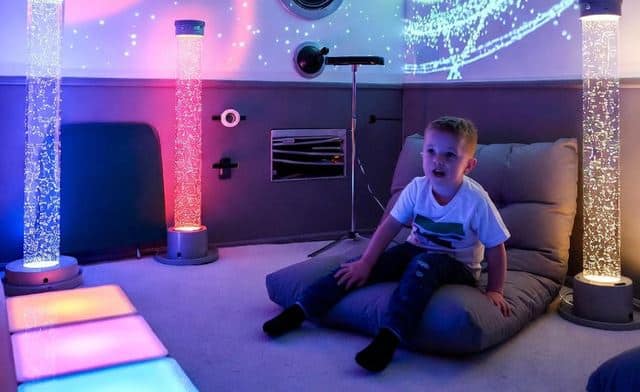
These differences may include:
- Hypersensitivity to noise, light, or touch
- Seeking intense sensory experiences
- Difficulty with transitions or unfamiliar environments
By addressing these challenges, therapy can help individuals feel more comfortable and engaged in daily life. According to the American Occupational Therapy Association, sensory-based interventions are a key component of occupational therapy strategies for supporting participation and independence.
Enhancing Daily Life Skills
The benefits of sensory integration therapy extend well beyond clinical or educational environments. Improved sensory processing can positively impact everyday routines and activities.
These include:
- Getting dressed and tolerating clothing textures
- Participating in meals and handling different foods
- Navigating busy or noisy environments
- Engaging in social interactions
As sensory integration improves, individuals often gain greater independence and confidence in daily life.
Applications in Sensory Rooms and Environments
One of the most effective ways to support sensory integration therapy is through thoughtfully designed environments.
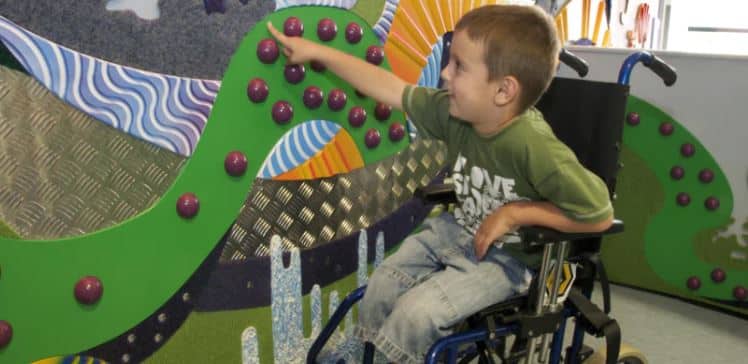
Sensory rooms provide controlled, adaptable spaces where individuals can engage with sensory input in a safe and structured way. These environments often include:
- Interactive lighting and visual effects
- Tactile surfaces and sensory walls
- Movement-based equipment
- Projection and immersive technologies
To explore how these environments can be implemented in schools, clinics, or care facilities, visit https://sensoryone.com/sensory-room/
For additional research on sensory processing and developmental outcomes, refer to the National Institute of Child Health and Human Development.
Practical Examples of Sensory Integration in Daily Life
Sensory integration therapy doesn’t stop when a session ends—it can be supported through simple, everyday activities.
Examples include:
- Creating obstacle courses for movement and coordination
- Using balance equipment or sensory tools
- Engaging in structured tactile play
- Incorporating movement breaks into daily routines
These activities reinforce progress and help integrate new skills into real-world settings.
Creating Better Outcomes Through Sensory Support
Sensory integration therapy offers a powerful way to support development, behavior, and overall well-being. By helping the brain process sensory input more effectively, individuals can experience meaningful improvements in how they learn, interact, and navigate daily life.
As awareness continues to grow, so does the opportunity to create environments and experiences that support sensory needs in practical, impactful ways. Whether in schools, therapy settings, or at home, sensory integration plays a key role in unlocking potential and improving quality of life.